ADVERSE CHILDHOOD EXPERIENCES (ACEs)
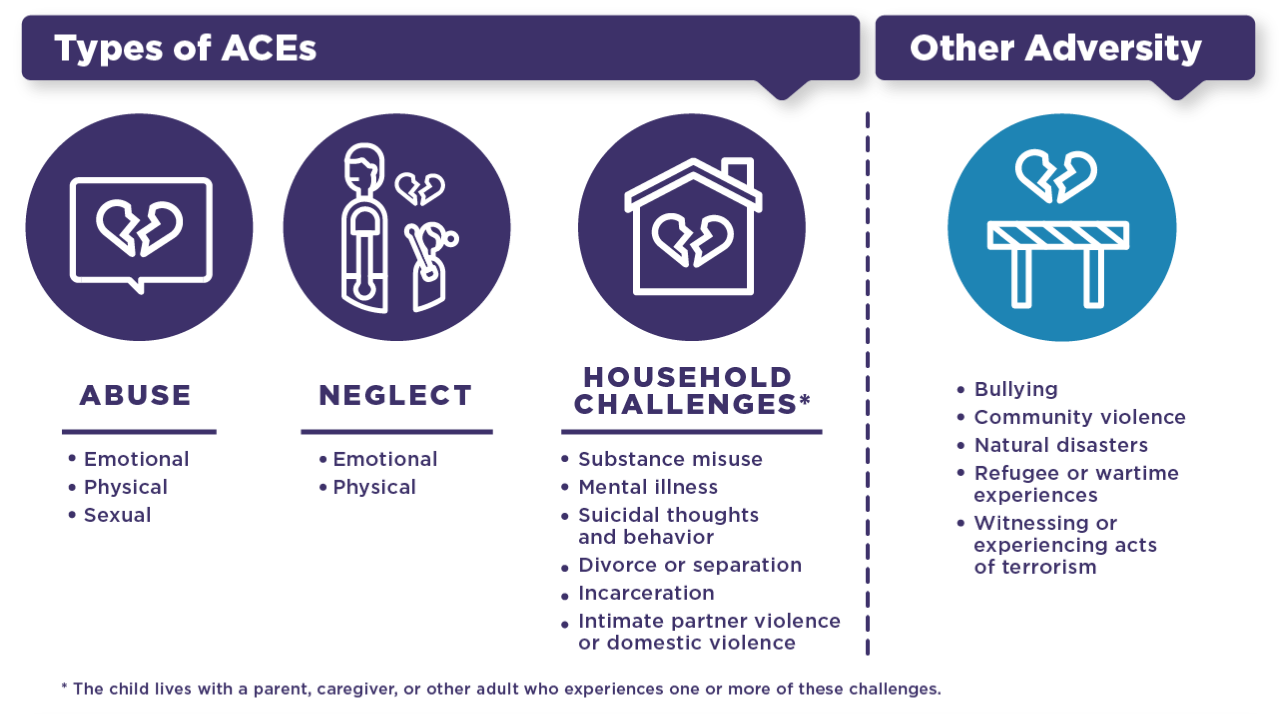
When a person experiences strong, frequent, or prolonged adversity such as physical or emotional abuse, chronic neglect, caregiver substance abuse or mental illness, exposure to violence, or the accumulated burdens of family economic hardship, it can have profound negative effects on the mind and body. The stress response to these events has been known to disrupt the development of brain architecture as well as other bodily systems — neuroendocrine, immune, metabolic, and genetic — leading to what is considered toxic levels of stress.
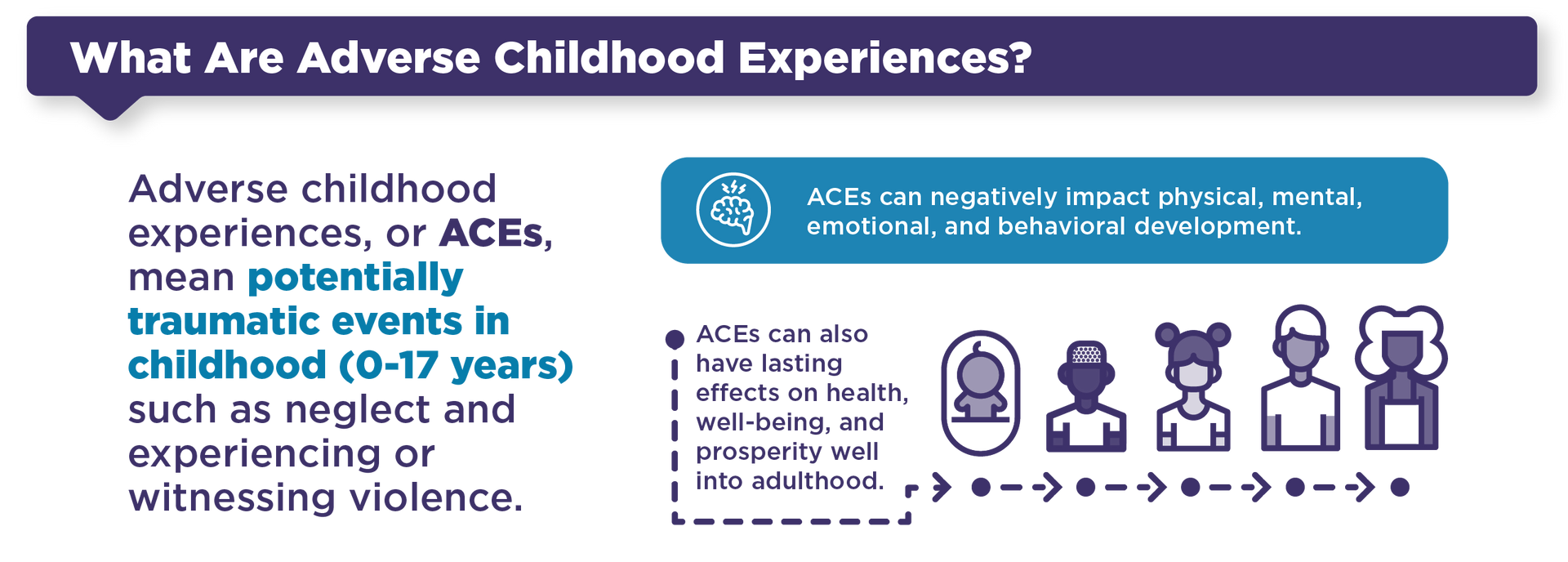
Toxic stress experienced in early childhood (ages 0 – 17 years) — referred to as adverse childhood experiences or ACEs — has been linked to chronic health problems, mental illness, and substance abuse as that child grows to become an adult. ACEs can also negatively impact education and job opportunities.
HEALTH AND LEARNING IMPACTS OF ACEs
Kaiser Permanente, together with the CDC, conducted the original study on adverse childhood experiences to uncover that:
- ACEs are common. Approximately two-thirds of Americans have experienced at least one ACE and one in six have experienced four or more ACEs.
- Experiencing ACEs increases the risk of negative health outcomes later in life, including obesity, diabetes, depression, heart disease, cancer, stroke.
- ACEs can affect student learning and behavior in the classroom. Children with three or more ACEs are 5x more likely to have attendance issues, 6x times more likely to have behavior problems, and 3x times more likely to experience academic failure.
ACEs AND THE CHILDREN WE ADVOCATE FOR
Many children involved in the child welfare system have experienced trauma, including abuse, neglect, family instability, or other significant life disruptions. Trauma can influence how children communicate, respond to adults, handle emotions, and build relationships.
As CASA volunteers, we can help by creating safe, consistent, and supportive relationships where children feel heard, valued, and understood.
Trauma-informed communication tips
The way we communicate with children can make a meaningful difference. Small changes in our approach can help children feel respected, safe, and supported.
Instead of asking:
"Why did you do that?"
Try:
"Can you help me understand what happened?"
Instead of:
"You need to calm down."
Try:
"I can see this is difficult.
How can I help?"
Instead of:
"You're okay."
Try:
"That was a lot to go through. How are you feeling?"
more Resources

video
Childhood trauma isn’t something you just get over as you grow up. Pediatrician Nadine Burke Harris explains that the repeated stress of abuse, neglect and parents struggling with mental health or substance abuse issues has real, tangible effects on the development of the brain.
research and reports
The CDC-Kaiser Permanente Adverse Childhood Experience (ACE) Study is one of the largest investigations of childhood abuse, neglect, and household challenges that impact later-life health and well being.

Website
Understanding ACEs can help CASA volunteers better recognize the effects of trauma and support the children they serve. Explore this resource and access free Trauma-Informed Training to learn practical strategies for creating safe, supportive environments for children and youth.
video
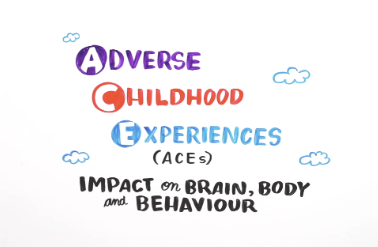
This short animated video talks about how Adverse Childhood Experiences (ACEs) impact lifelong development